
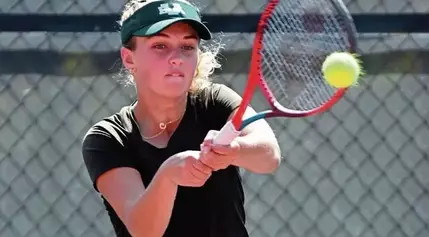
In the world of professional tennis, bathroom breaks have become a hot topic of discussion. Recently, two high-profile matches involving Polish star Iga Świątek and Belarusian player Aryna Sabalenka have sparked debates among fans and critics alike. Both players faced scrutiny for taking extended toilet breaks during crucial moments in their matches. The controversy surrounding these breaks has raised questions about sportsmanship and strategy, with some fans accusing the players of using these breaks to disrupt their opponents' momentum.
Extended Toilet Breaks Raise Eyebrows in Major Tournaments
During a semifinal match at a major tournament, Iga Świątek was observed taking an unusually long bathroom break after the second set against Madison Keys. Although Keys promptly returned to the court, Świątek's delay drew attention and prompted Keys to consult with the umpire regarding the time taken. A similar incident occurred during the final of the 2025 Australian Open, where Aryna Sabalenka took a bathroom break just 35 minutes into her match against Madison Keys. Fans quickly noticed and questioned the necessity of such a break at that critical juncture.
Sabalenka's break came after losing the first set, adding fuel to the fire. While some fans speculated that this tactic might have been intended to reset her focus, others saw it as an attempt to unsettle Keys. Despite the break, Sabalenka ultimately lost the match, with Keys securing a hard-fought victory in a thrilling final set. This outcome led to further discussions about the effectiveness and fairness of such tactics.
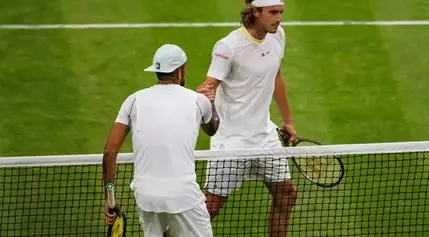
The controversy is not new. In previous tournaments, players like Novak Djokovic have also faced criticism for taking medical timeouts during pivotal moments. John McEnroe, a tennis legend, even suggested that Djokovic's timeout during a quarterfinal match against Carlos Alcaraz might have been staged. These incidents highlight the ongoing debate over whether such breaks are necessary or merely strategic maneuvers.
A notable comparison has emerged between Świątek and Sabalenka. Fans have pointed out that while Świątek faced significant backlash for her extended breaks, Sabalenka received less criticism despite employing similar tactics. This disparity has sparked discussions about bias and double standards in how players are treated by the public and media.
From a broader perspective, the use of bathroom breaks and medical timeouts during critical moments in tennis matches continues to be a contentious issue. Fans and commentators alike are calling for clearer guidelines and enforcement to ensure fair play and maintain the integrity of the sport.
As the tennis community grapples with these controversies, one thing remains clear: the actions of top players on and off the court are closely scrutinized, and any perceived advantage or disadvantage can stir intense debate. Moving forward, it will be essential to find a balance between respecting players' needs and maintaining the competitive spirit of the game.
From a journalist's viewpoint, this controversy underscores the need for transparency and consistency in how rules are applied. It also highlights the importance of addressing fan concerns and ensuring that all players are held to the same standards. Ultimately, the goal should be to enhance the spectator experience while upholding the principles of fair competition.






















































![‘The Casting of Frank Stone’ Is a Solid Entry in the ‘Dead by Daylight’ Universe [Review]](https://img.royaweb.io/news/0d5270dc8a009de2b9e23730bae0090d.webp "‘The Casting of Frank Stone’ Is a Solid Entry in the ‘Dead by Daylight’ Universe [Review]")