
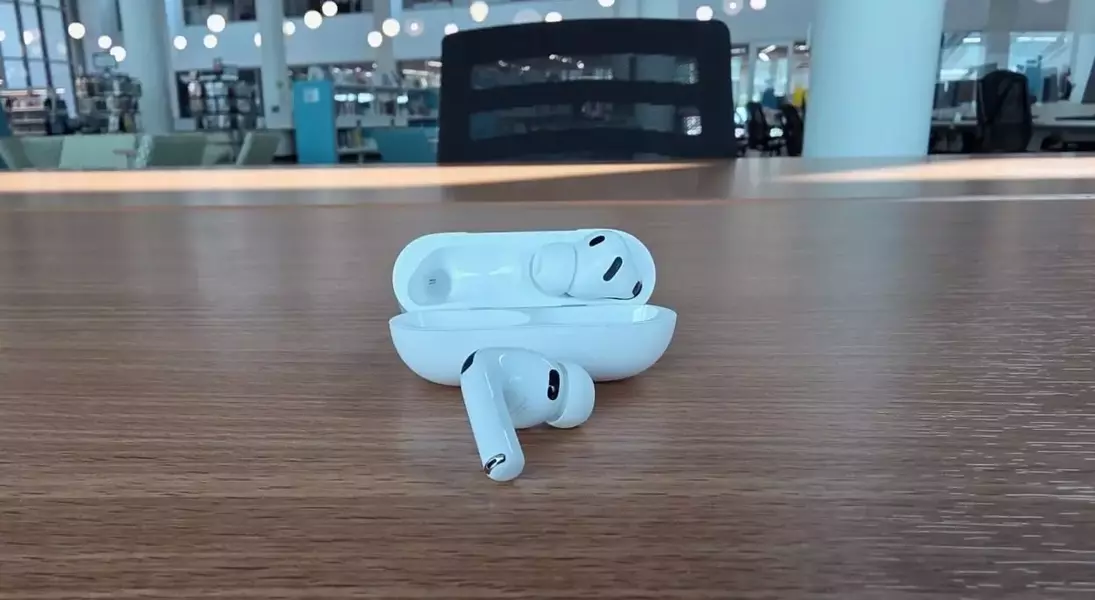
Persistent rumors surrounding Apple's development of camera-equipped AirPods suggest that these innovative devices might hit the market much sooner than anticipated. Originally conceived as a long-term project, recent insights indicate a faster trajectory for their release.
Anticipated Launch of AI-Powered AirPods with Integrated Cameras
According to a recent newsletter from Bloomberg's Mark Gurman, Apple is actively conducting internal tests on two distinct versions of AirPods featuring integrated cameras, internally designated as B798 and B790. While the B798 model has been publicly known for some time, the emergence of the B790 model is a newer development, reportedly progressing at a swifter pace. Gurman's report highlights that references to the B790 model are already present within the iOS 27 beta code, hinting at a potential launch within the current year. Given the limited remaining time in the year, a release at the upcoming September iPhone event, alongside the anticipated iPhone 18, seems plausible, echoing the previous year's unveiling of the Apple AirPods Pro 3 at the iPhone 17 launch. While specific details distinguishing the B790 from its counterpart remain undisclosed, earlier reports indicated that these camera-equipped AirPods are primarily envisioned as wearable AI assistants, rather than conventional devices for capturing photos or videos. Their integrated cameras would analyze visual information to enhance an onboard assistant, such as the forthcoming Siri AI. To address privacy concerns, a small LED indicator would alert others when the cameras are active, similar to the functionality seen in smart glasses. This strategic focus on AI assistance differentiates these AirPods from standard recording devices, mitigating potential privacy issues. Concurrently, Apple is reportedly considering a delay in the release of its smart glasses, following public criticism and instances of misuse involving Meta Ray-Ban glasses. It is expected that Apple will continue to offer its traditional AirPods, designed solely for audio consumption, alongside these advanced, camera-enabled models.
The advent of AI-powered AirPods with embedded cameras signifies a notable leap in wearable technology, pushing the boundaries of personal assistance. While the privacy implications of such devices are a legitimate concern, Apple's inclusion of a visual indicator suggests a proactive approach to user transparency. This development underscores a broader industry trend towards integrating AI into everyday objects, transforming how we interact with technology and the world around us. It prompts reflection on the evolving balance between technological convenience and individual privacy in an increasingly connected era.