
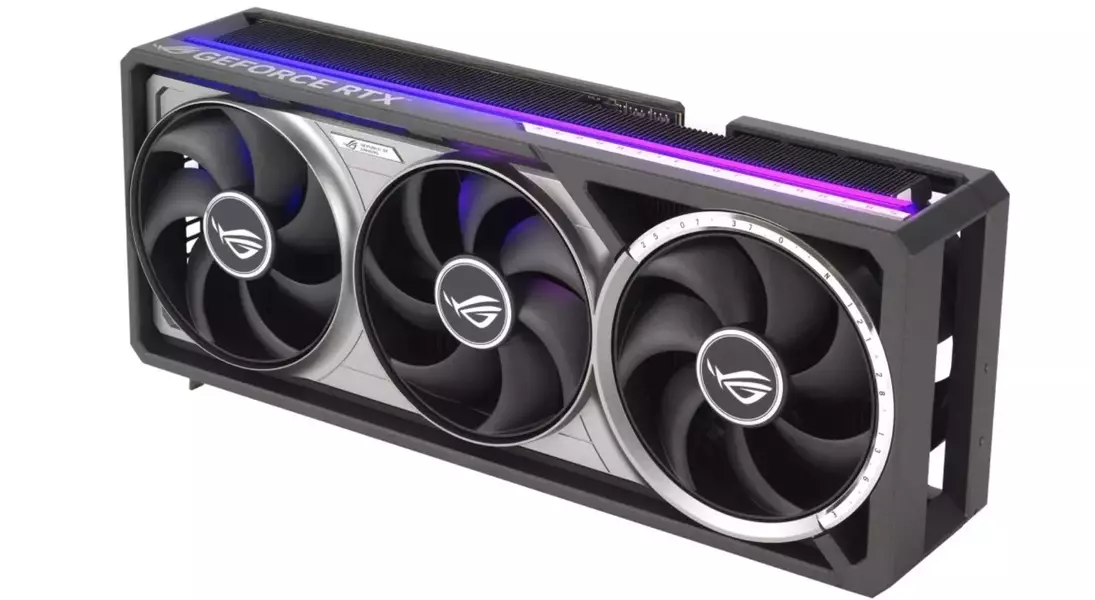
Best Buy has recently escalated the price of the Asus ROG Astral RTX 5080 OC to ,099, surpassing the RTX 5090's Manufacturer's Suggested Retail Price (MSRP) of ,999. This significant increase marks a 40 percent jump from its initial launch price of ,499 and is more than double the 9 MSRP for the RTX 5080 Founders Edition. This pricing adjustment highlights current trends in the graphics card market, influenced by component shortages and rising manufacturing costs. While other retailers still offer RTX 5080 models at lower prices, and Asus itself sells this specific model for ,899, the general upward trajectory of prices for GPUs and related components, such as RAM, suggests that similar increases may become more common across the industry. Nvidia's own strategy of raising GPU prices, with a third hike this year by 20 to 30 percent, further contributes to this challenging landscape for consumers, even leading to the re-emergence of graphics cards with limited VRAM like the ASRock AMD Radeon RX 9050 Challenger with 4GB.
Best Buy's Strategic Price Adjustment for the RTX 5080
Best Buy's decision to raise the price of the Asus ROG Astral RTX 5080 OC to ,099 has drawn significant attention within the tech community, especially given that it now exceeds the RTX 5090's recommended retail price of ,999. This pricing strategy reflects the volatile nature of the graphics card market, driven by various economic and supply chain factors. The Asus ROG Astral RTX 5080 OC, initially priced at a more accessible ,499, has seen a considerable 40 percent increase, indicating a strong demand coupled with constrained supply. This marks a pivotal moment where a less powerful card is being sold for more than its higher-tier counterpart's MSRP by a major US retailer, according to reports from VideoCardz.
The current market landscape is heavily influenced by ongoing component shortages and substantial hikes in RAM prices, which show no signs of abating. These factors create an environment where retailers and manufacturers are compelled to adjust prices to cover increasing production costs and manage demand. While Best Buy currently offers other RTX 5080 models at more competitive prices, and even Asus sells the same ROG Astral variant for ,899—still above its launch price but less than Best Buy's current tag—the broader trend suggests that more RTX 5080 GPUs could experience similar price escalations in the near future. This situation is further compounded by Nvidia's recent announcement of its third GPU price increase this year, ranging from 20 to 30 percent, exacerbating the financial pressure on consumers and driving shifts in product availability, such as the unexpected return of 4GB VRAM graphics cards like the ASRock AMD Radeon RX 9050 Challenger.
Market Dynamics and NVIDIA's Pricing Trends
The recent price adjustment by Best Buy for the Asus ROG Astral RTX 5080 OC is not an isolated incident but rather a symptom of larger, systemic issues affecting the PC hardware market. The interplay of component scarcity, particularly in the memory sector, and strategic pricing decisions by key players like Nvidia has led to unprecedented market conditions. The nearly doubling of the RTX 5080 OC's price from its original Founders Edition MSRP of 9, reaching ,099 at Best Buy, underscores the profound impact of these market forces. This shift means that consumers are now facing higher entry barriers for high-performance graphics cards, potentially altering purchasing behaviors and market segmentation.
Nvidia's consistent price increases throughout the year, with reported hikes of 20 to 30 percent, significantly contribute to the inflationary pressure observed in GPU markets. These increases reflect not only the rising costs of raw materials and manufacturing but also potentially a strategy to capitalize on high demand. The ripple effects are already visible, with the market seeing a resurgence of graphics cards with lower VRAM capacities, such as the ASRock AMD Radeon RX 9050 Challenger featuring only 4GB of VRAM. This trend suggests that manufacturers are adapting to cost pressures and material availability by introducing more budget-friendly, albeit less powerful, options, potentially impacting the overall performance expectations and choices available to PC enthusiasts and gamers in the coming months and years.