
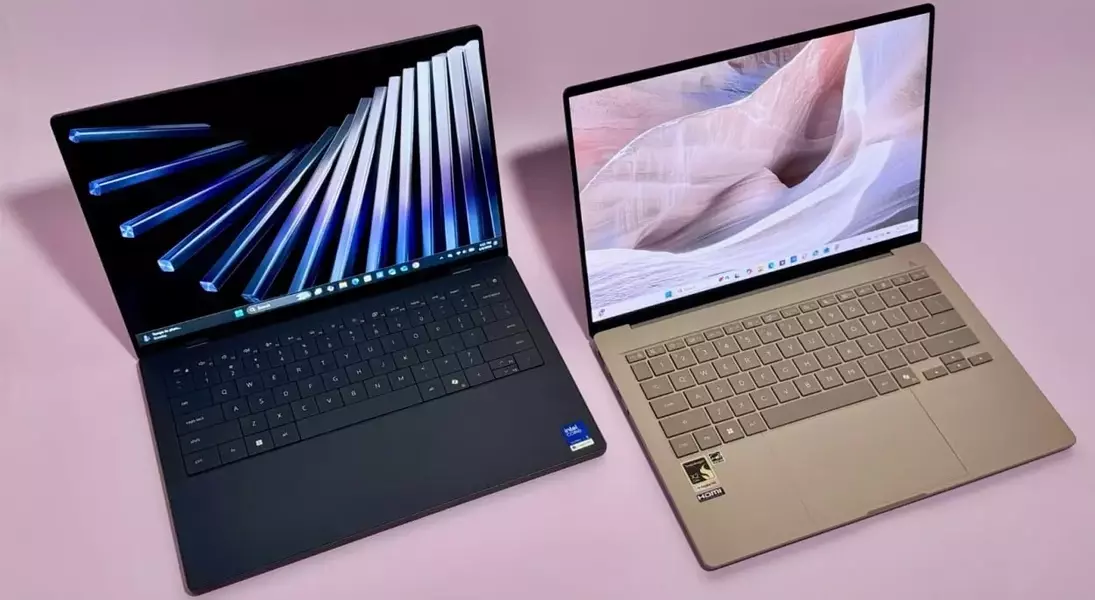
While Apple's MacBooks hold a strong reputation for their speed, endurance, and robust construction, their appeal isn't universal. Many users desire more extensive customization options, including 2-in-1 designs, OLED displays, or touchscreens, features not yet standard on Apple laptops. Furthermore, specific software requirements, a preference for Windows or ChromeOS, or a focus on superior gaming performance often lead consumers to explore other brands. This in-depth analysis spotlights eight notable Windows and ChromeOS laptops that present compelling alternatives to Apple's MacBook Air, Pro, and Neo lines.
Several Windows laptops and Chromebooks have demonstrated the ability to outperform Apple in various key areas. For instance, the HP OmniBook 3 16, equipped with the Snapdragon X chip, boasts an extraordinary 40-hour battery life, far exceeding that of MacBooks. Similarly, the Acer Chromebook Plus Spin 514 offers superior battery performance compared to the MacBook Neo. In terms of raw processing power, certain Windows Ultrabooks, such as the Asus Zenbook A14, deliver multi-core performance that surpasses both the M5 MacBook Air and Pro, highlighting significant advancements in the PC market.
Choosing a MacBook alternative involves evaluating a device's performance, battery longevity, and aesthetic appeal. Ideally, a strong contender should offer above-average speed, extended battery life, and a refined design. Criteria are tailored to match specific MacBook models: alternatives to the MacBook Air should prioritize portability, Neo alternatives should be budget-friendly (under ,000), and Pro alternatives require a high-refresh-rate display and robust processing capabilities for demanding tasks like video editing. This analysis identifies several rigorously tested models from leading brands like Asus, Acer, Dell, and HP that stand out as excellent MacBook alternatives for 2026, alongside a compelling Apple ecosystem fallback option for those who prefer to remain within the brand.
The tech landscape continues to evolve rapidly, with new innovations constantly challenging established benchmarks. As consumers' needs diversify, a broader range of high-performing, stylish, and versatile computing devices are becoming available. This competitive environment encourages manufacturers to push boundaries, resulting in a market rich with choices that empower users to select the perfect device to match their unique demands and preferences, fostering continuous improvement and innovation within the industry.